A shiny paint finish is the calling card of every vehicle. But this shine fades over time – and not without reason. Many car owners ask themselves: Why does my paint look dull? Where do all these fine scratches come from? The answer is complex, but not a mystery – and with the right care concept, it can be solved.
Why does car paint become dull over time?
The surface of modern paints consists of several layers – including the clear coat, which provides gloss and protection. But this clear coat is sensitive. In particular, UV radiation affects it in the long run. Due to sunlight exposure, the top layer oxidises, loses moisture and becomes brittle – similar to dry skin. The paint looks dull, rough and without shine.
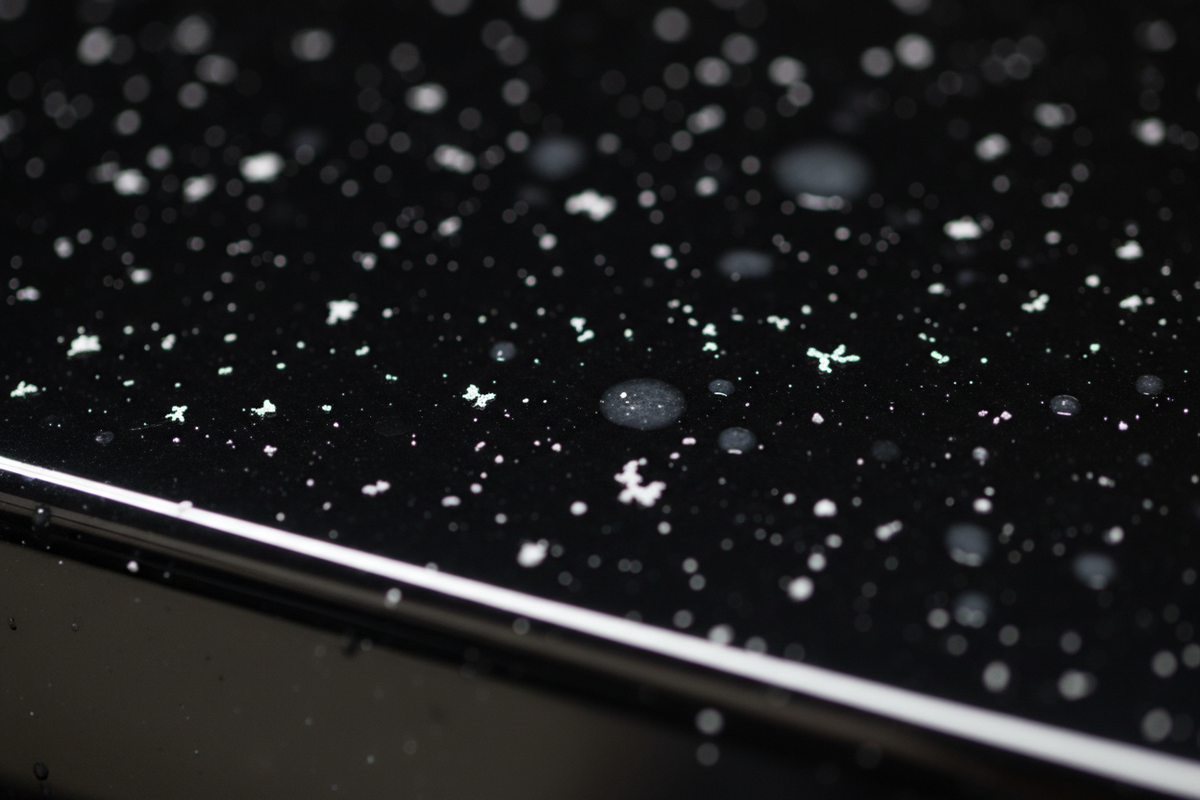
In addition, environmental factors such as acid rain, road salt, bird droppings or tree sap attack the paint structure. Without regular care, the paint not only loses its gloss but also its elasticity – making it more susceptible to damage.
How do scratches form in the paint?
Scratches often appear unnoticed – in everyday life, during car care or simply through environmental influences. The most common causes include:
- Brush car washes: These often carry contaminated bristles and cause so-called “car wash scratches”.
- Wrong microfibre cloths: Cheap or dirty cloths drag fine dirt over the paint.
- Dust and sand: When wiping a dusty car dry, the particles act like sandpaper.
- Wrong polishes or application: Abrasives with coarse grit or too much pressure leave new micro-scratches.
- Environmental influences: Resin, insect residues or bird droppings etch into the paint if not removed.
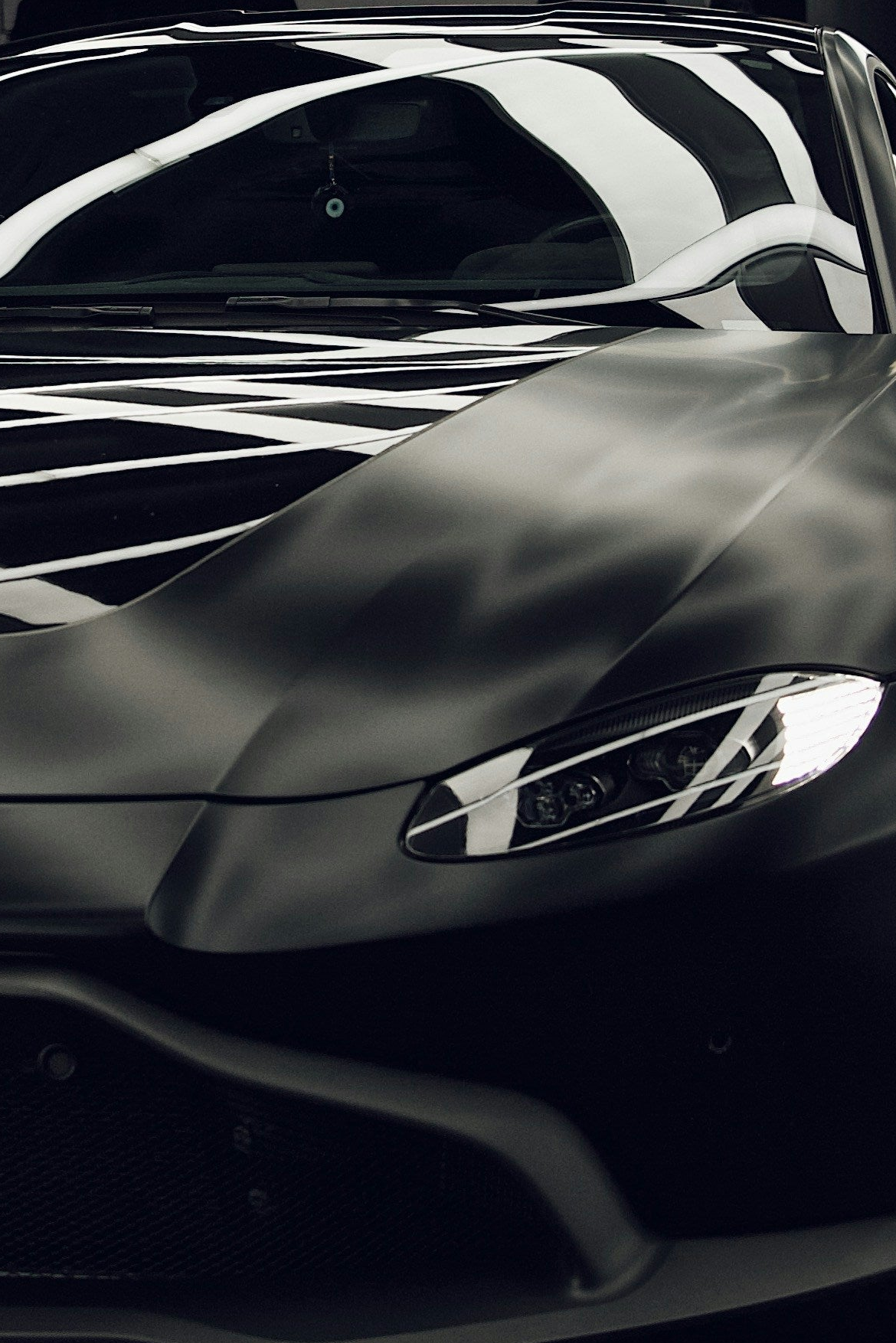
Dark and black paints are particularly sensitive. Even the finest marks are visible on them. Without a systematic approach, the risk of holograms, swirls and permanent paint defects increases.
What helps against scratches and dull surfaces?
The good news: With the right care, both can not only be corrected but also prevented in the long term. The key is a systematic 3-step approach:
1. Cleaning – the basis of every paint correction
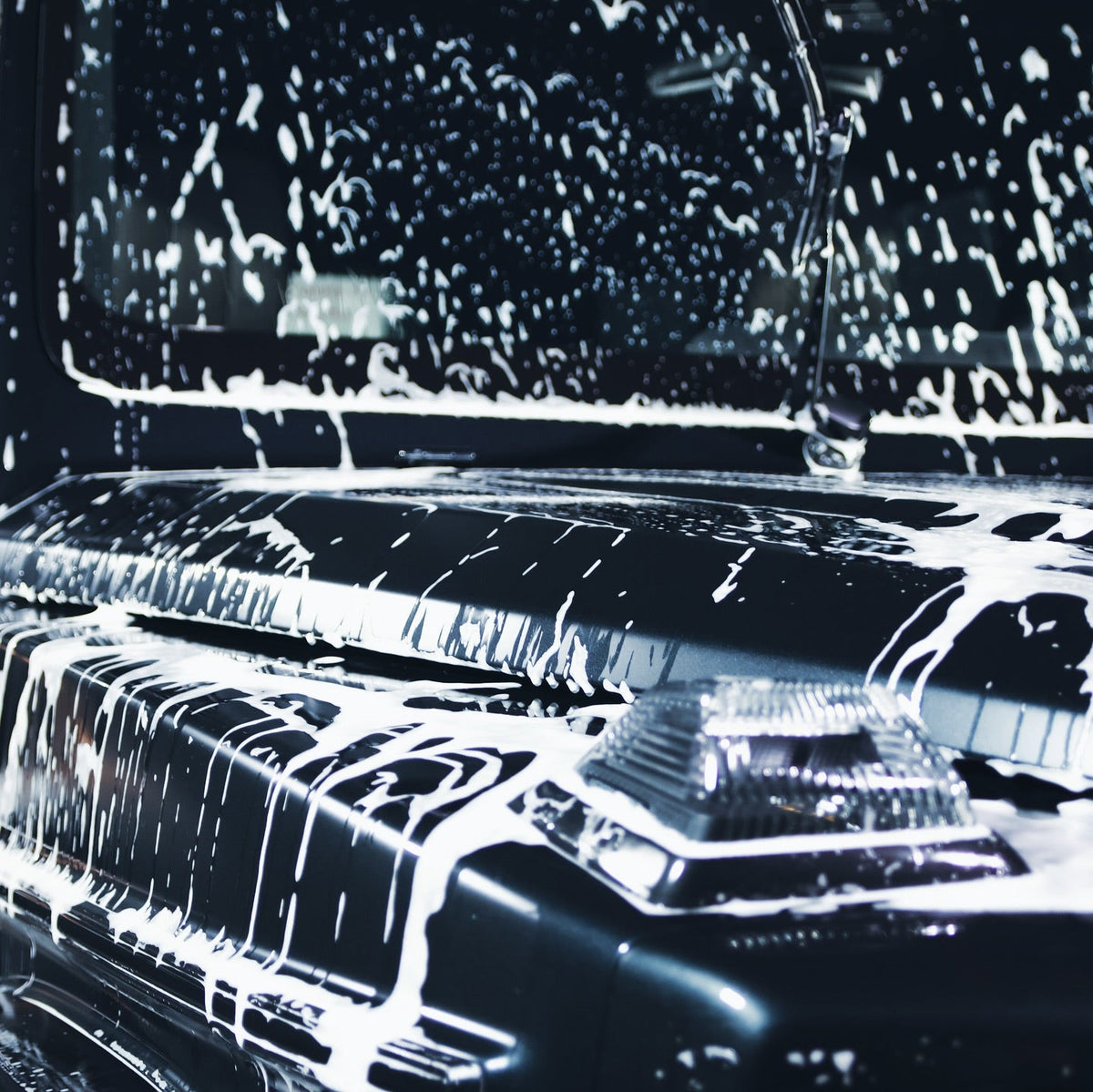
Before polishing, thorough washing is essential. Use two buckets with grit guards, a pH-neutral shampoo and soft wash mitts. If necessary, a Paint Rubber helps remove embedded particles.
2. Polishing – targeted and gentle
For dull or scratched paint, the Swissvax Cleaner Fluid System is ideal. Depending on the condition, start with:
- Cleaner Fluid Strong: Hand polish ideal for heavily weathered or scratched surfaces
- Cleaner Fluid Medium: Hand polish for medium scratches and gloss build-up
- Cleaner Fluid Professional Medium + blue polishing pad: The perfect One Step Polish for efficient machine work – without polishing dust, without silicones, without washing afterwards
The special micro-powder technology of Swissvax polishes does not just grind away roughly, but adapts during polishing. This creates a smooth transition from cleaning to high gloss – without new micro-scratches.
3. Sealing – protection and gloss in one
After polishing, the paint is ready for the final protection: A high-quality carnauba wax such as Swissvax Concorso, Shield or CARAT ensures:
- intense deep gloss
- water- and dirt-repellent lotus effect
- UV protection and nutrients for elastic clear coat
This way, the paint not only remains glossy but also supple – and long-term protected against sun, weather and daily stress.
Back to showroom shine with the right system
Whether from sunlight, wrong care or environmental factors – dull paint and scratches appear quickly. But with the right care and high-quality products, damage can be corrected, and the paint permanently protected. Swissvax offers the perfect system of cleaning, polishing and waxing – specially designed for sensitive, dark paints.
Discover now: Swissvax polishes & care products – for perfect shine, protection and a finish that inspires.